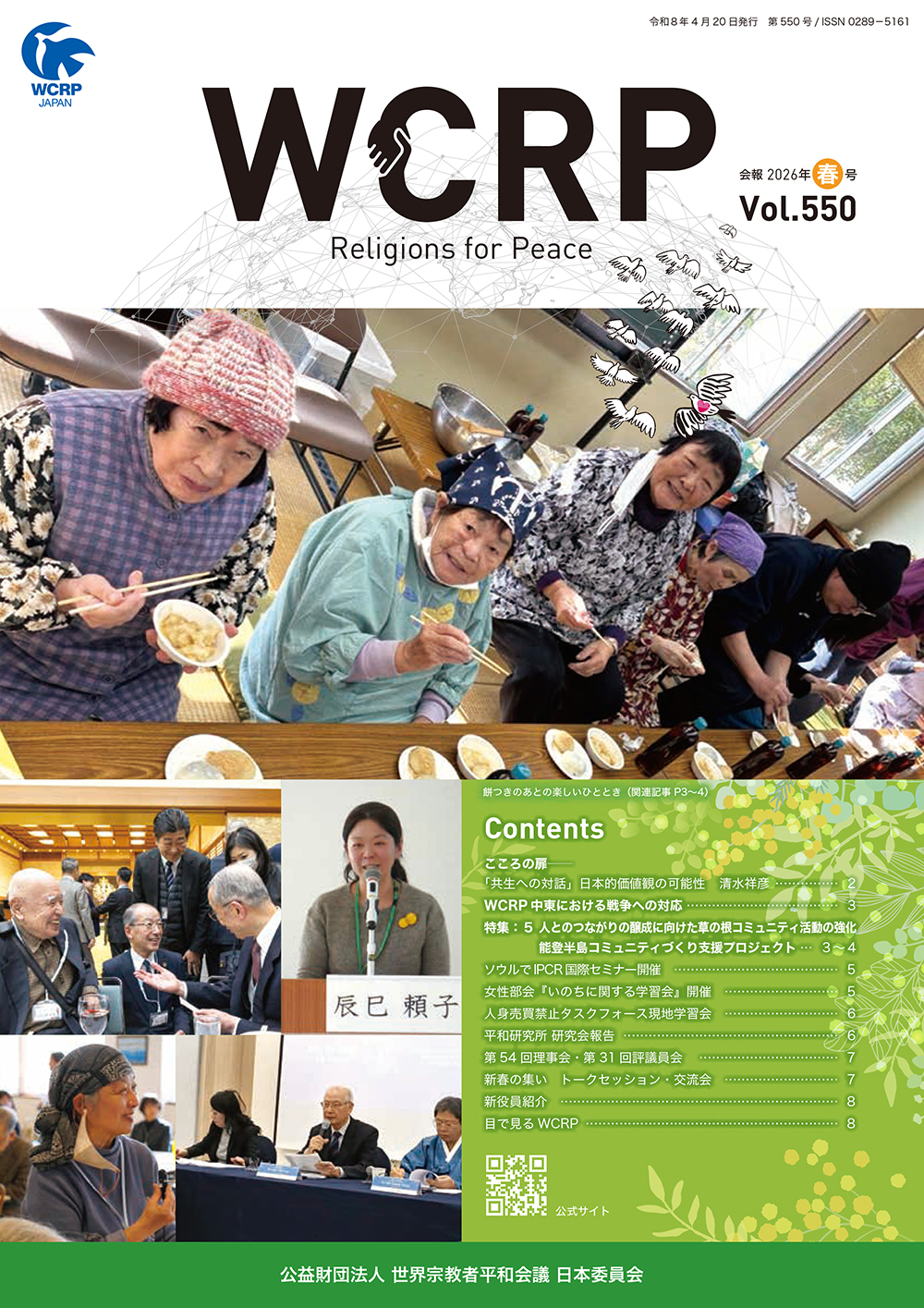
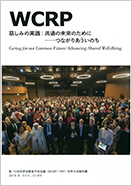
TIn the Spring issue, the Path to Peace column features “Dialogue for Coexistence: The Potential of Japanese Values,” contributed by Rev. Yoshihiko Shimizu, Chief Priest of Kanda Myojin Shrine. The issue also includes reports on responses to the conflict in the Middle East, the Noto Peninsula Community-Building Support Project, which supports community-led recovery efforts, the IPCR Seminar, the Women’s Committee’s “Study Session on Life,” the field study visit organized by the Task Force for Human Trafficking Prevention, the activities of the Peace Research Institute, the New Year Gathering, and meetings of the Board of Directors and Councilors.
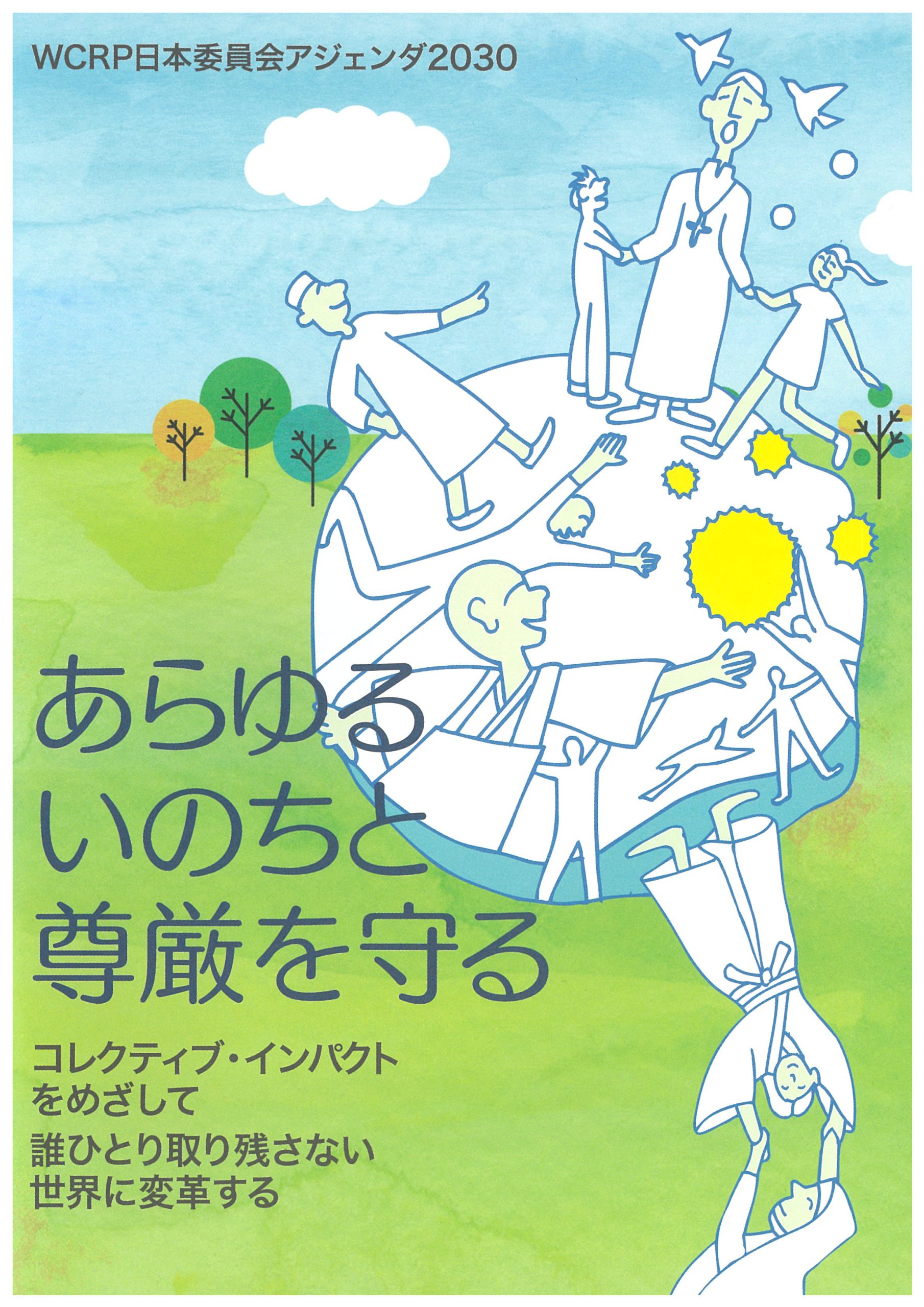
This booklet presents the “Agenda 2030” developed by Religions for Peace (WCRP) Japan to address the increasingly serious global challenges of our time. It aligns with international frameworks such as the SDGs while incorporating the newly adopted goals of the WCRP International as well as initiatives responding to key issues within Japan.
(A5 size / 34 pages / Free of charge)
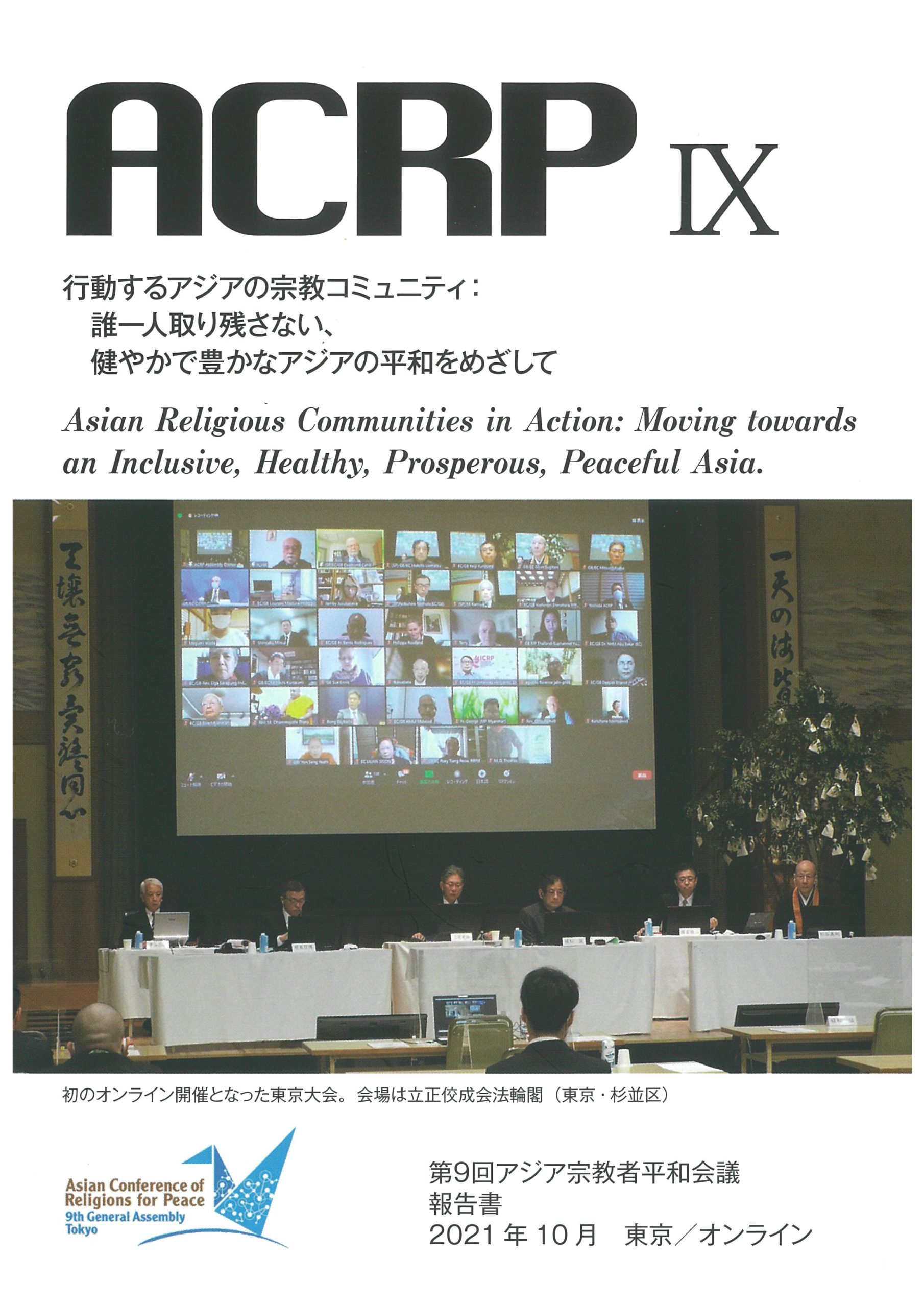
Report of the ACRP 9th General Assembly
This report presents the proceedings and declaration of the ACRP 9th General Assembly, held in 2021 in Tokyo and online under the theme “Asian Religious Communities in Action: Moving towards and Inclusive, Healthy, Prosperous, Peaceful Asia”
(A5 size / 104 pages / Price: ¥700, tax included)
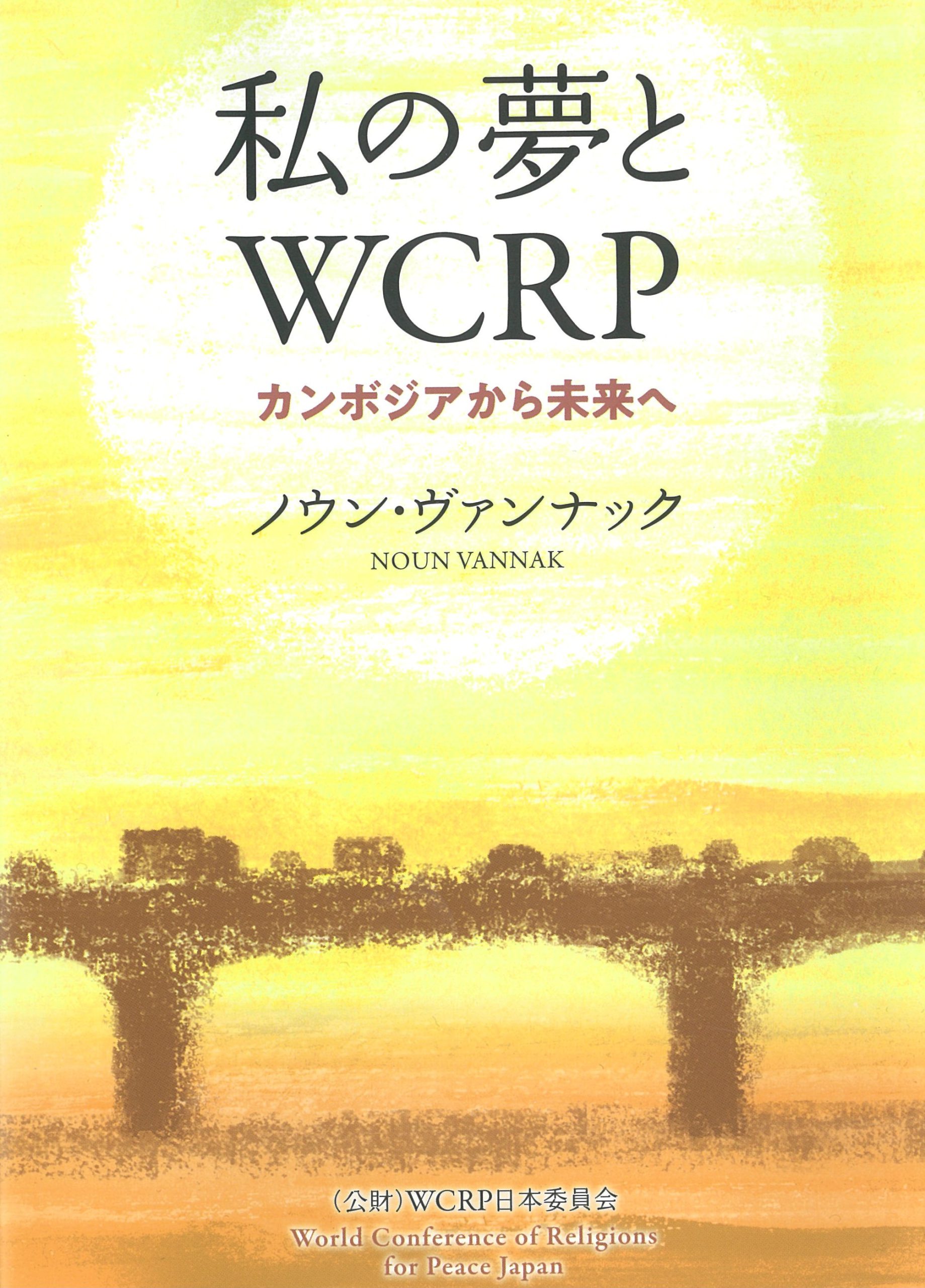
My Dream and WCRP — From Cambodia to the Future
LPublished as part of WCRP’s 50th anniversary projects, this book is written by Mr. Noun Vannak (commonly known as “Phnom”), a former Cambodian refugee. It recounts his connection with the Religions for Peace (WCRP) Japan and his heartfelt aspirations for peace.
(228 pages / Price: ¥1,000, tax included / Shipping: ¥370 for up to 2 copies, ¥520 for up to 4 copies, free shipping for 5 or more copies)
Report of the 10th World Assembly
This report documents the proceedings and declaration of the 10th World Assembly, held in 2019 in Lindau, Germany, under the theme “Practicing Compassion: Connected Lives for a Shared Future.”
(A5 size / 117 pages / Price: ¥800)
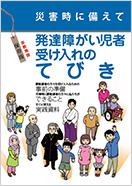
Preparing for Disasters — A Guide to Receiving Persons with Special Needs
Published by the Women’s Committee of Religions for Peace Japan, this guide is designed for religious facilities that may serve as evacuation centers during disasters. It encourages preparedness for welcoming persons with special needs and is organized into three sections: advance preparations, practical measures during a disaster, and reference materials for implementation.
(A4 size / 37 pages / Price: ¥500)
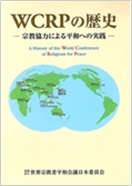
The History of WCRP — Practicing Peace through Interreligious Cooperation
Published as part of WCRP’s 40th anniversary initiatives, this volume traces the journey of the organization from its founding up to 2006, highlighting its efforts and achievements in promoting peace through interreligious collaboration.
(A5 size / 367 pages / Price: ¥2,000)
Toward the Path of Peace — Tracing the Footsteps of WCRP Pioneers
This volume compiles a special series originally published in the WCRP newsletter to commemorate the our 40th anniversary. It features not only Japanese pioneers but also many international religious leaders who, as partners of the Religions for Peace (WCRP) Japan, devoted themselves to interreligious dialogue and cooperation.
(A5 size / 309 pages / Price: ¥1,500)
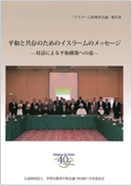
The Islamic Message for Peace and Coexistence — Pathways to Peacebuilding through Dialogue
This report compiles the outcomes of three key initiatives: Roundtable Discussion on Reconciliation and Peace Prospects for Shared Security in Afghanistan” (Tokyo, 2009), Islam Religious Leaders’ Discussion~For Better Understanding of Islam: Peace and Non-Violence~ (Kyoto, 2010), and the public symposium Dialogue between Japanese Religions and Islam — The Spirit of Mahoroba and the Islamic Perspective on Peace.
(A5 size / 68 pages / Price: ¥700)
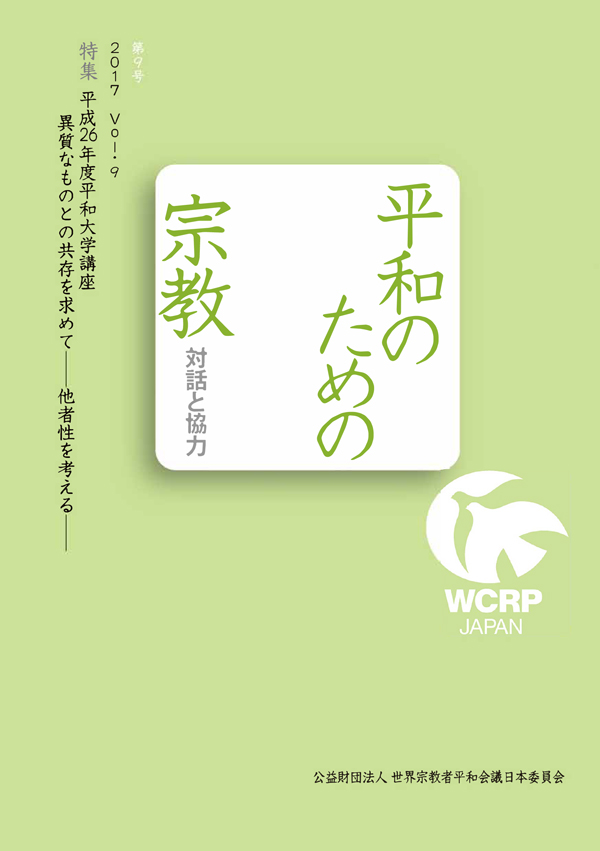
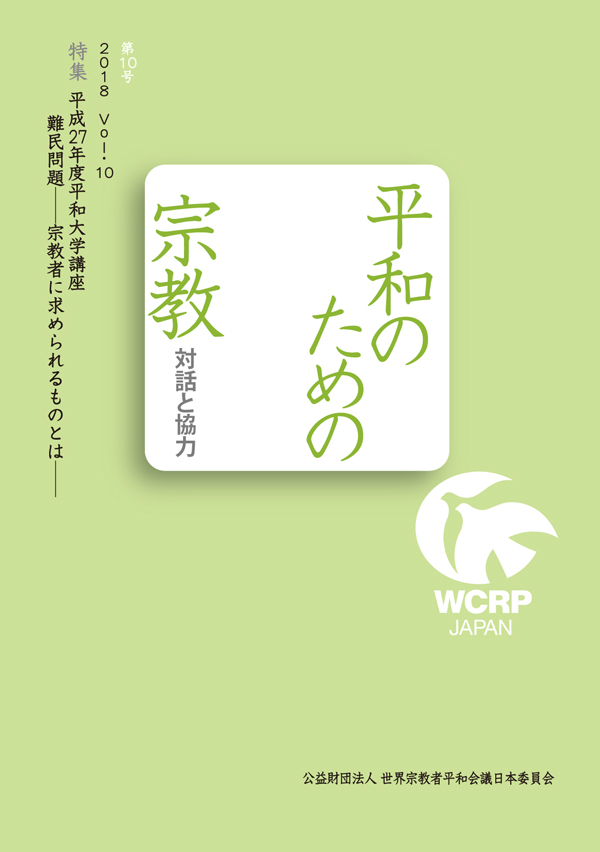
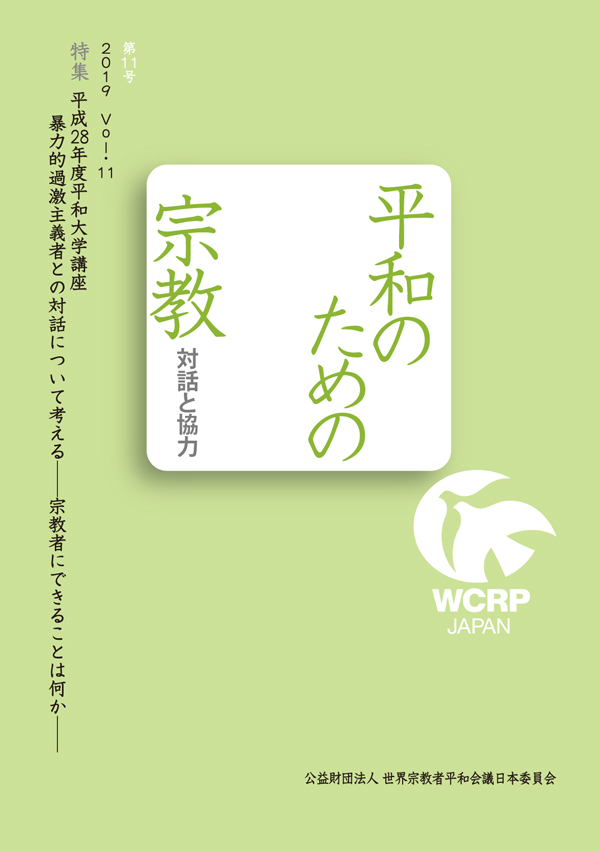
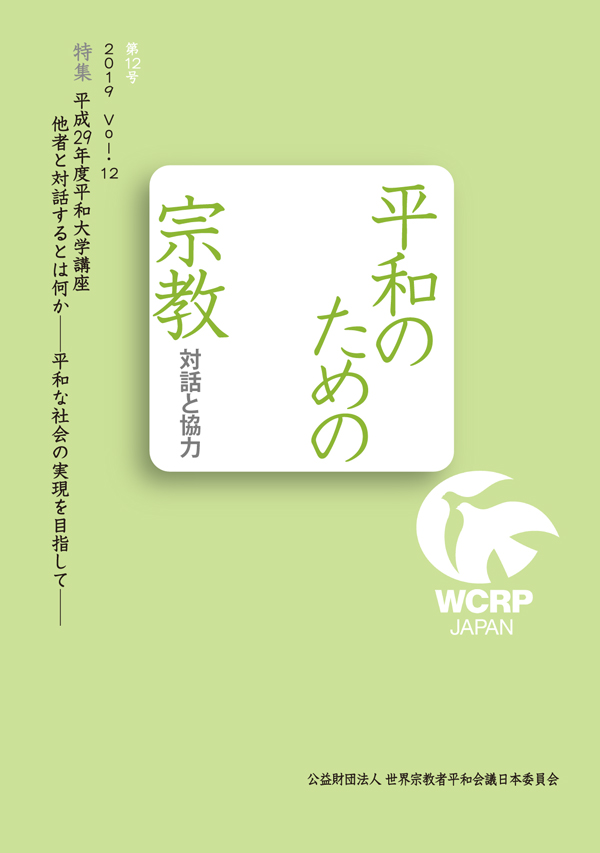
Bulletin of the Peace Research Institute (Japanese only)
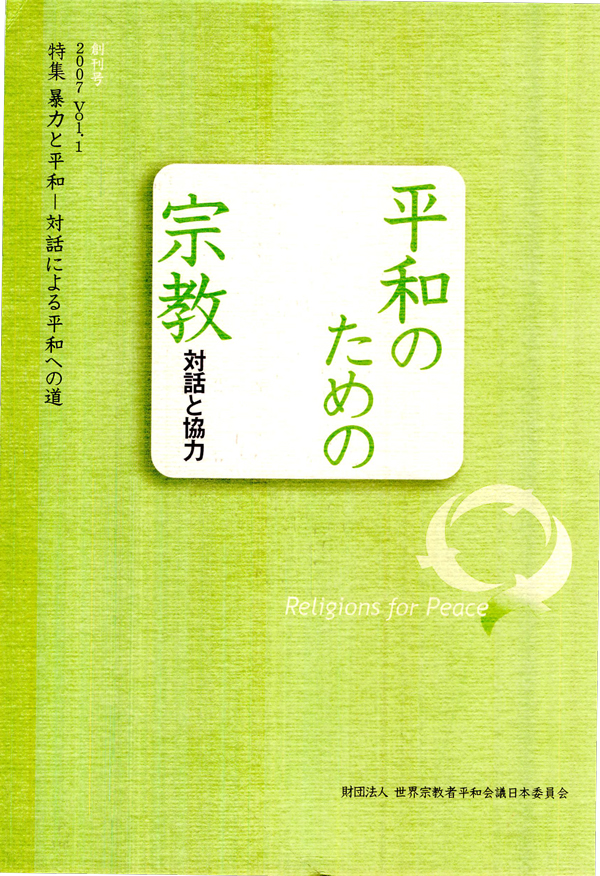
Religions for Peace–Dialogue and Cooperation Vol. 1
Feature: Violence and Peace–Path to Peace through Dialogue and Cooperation
Peace Studies:
・Buddhism and Peace by Yasuaki Nara
・Ontology and the Ethics of Islam by Toshio Kuroda
・Violence and Religion: Which Should Humanity Choose, Struggle or Reconciliation? by Juan Masia
・Path to Peace through Nonviolence by Keizo Yamada
・Shinto View of Life and the Peace Issue by Minoru Sonoda
・Violence and Peace, What Is Now Asked of Religions: For the Coming Eighth World Assembly of the World Conference of Religions for Peace by Yoshiaki Sanada
・Viewpoint behind Shinran’s Thought: “World, Be Peaceful.” by Ryumyo Yamazaki
・Public Philosophy and Christianity by Renta Nishihara
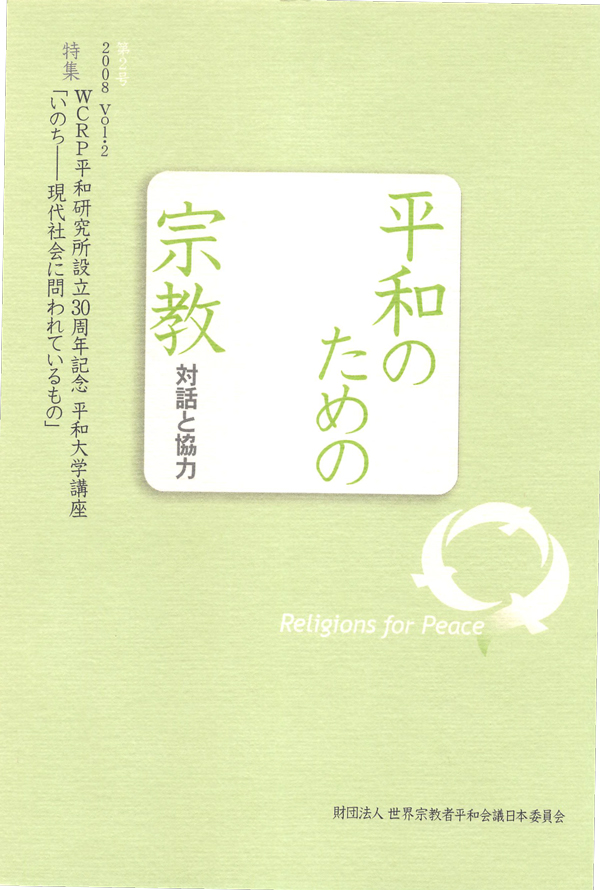
Religions for Peace–Dialogue and Cooperation Vol. 2
Feature: Life: What Is Asked of Our Contemporary Society?
Peace Studies:
・Prayer as Defined in Religious Studies and Shinto by Minoru Sonoda
・Prayer in Buddhism and Zen by Yasuaki Nara
・The Issue of Prayer in Religion: The Realm of Prayer in Shinran’s Teachings by Ryumyo Yamazaki
・The Second Vatican Council: The Heart of the Pastoral Constitution on the Church in the Modern World (Gaudium et Spes) by Keizo Yamada
・Prayer in Japanese Christianity: Problems and Prospects A Comparative Overview of the History of Missionary Activities in Japan and Korea by Renta Nishihara
・Prayer in Islam: Faith and Practice by Toshio Kuroda
・Some Aspects of Prayer Observed in Condemned Criminals by Yoshiaki Sanada
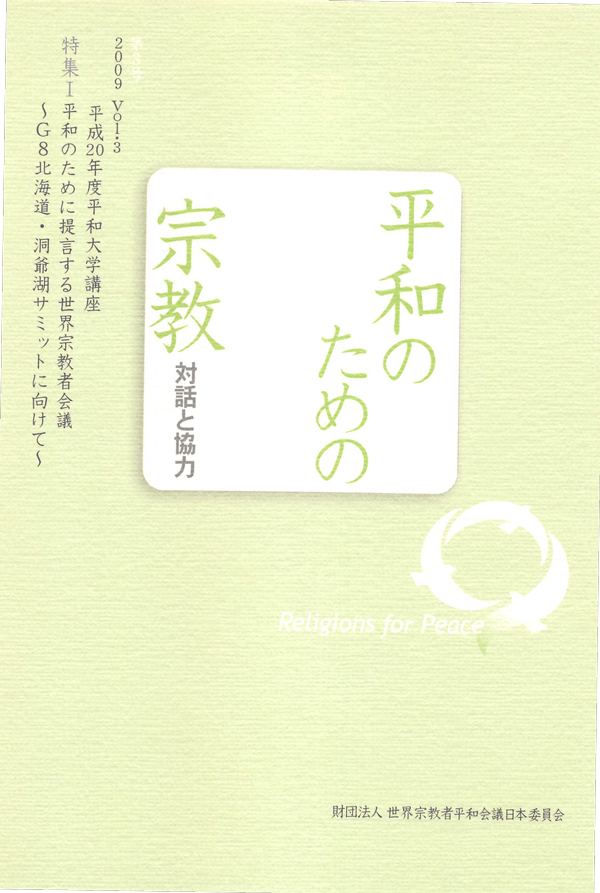
Religions for Peace–Dialogue and Cooperation Vol. 3
Feature: 2008 Peace University Symposium (The World Religious Leaders Summit for Peace: Toward the G-8 Summit by Lake Toya, Hokkaido)
Keynote Address: “Global Environmental Problems and the Role of Religion (and the People of Faith)” by Akimasa Sumi, professor at the Center for Climate System Research, the University of Tokyo, director of the Transdisciplinary Initiative for Global Sustainability
Peace Studies:
・“Religions for Peace Reflections on Our Path” by William E Vendley, secretary-general of the World Conference of Religions for Peace
・“Considerations on the Concept of ‘Shared Security’” by Yoshiaki Sanada
・“The Contribution of the People of Faith toward the Common Ethic of Humanity” by Juan Masia
・“Crisis in the Age Lacking a Sense of Altruism: Reflections on Buddhism and Economy” by Ryumyo Yamazaki
・“Five Principles of the Shared Security That Will Protect All Lives” by Keizo Yamada
・“Ideas Involved in the Vision of ‘Shared Security’ and a Logia of the New Syncretism (Religious Pluralism)” by Minoru Sonoda
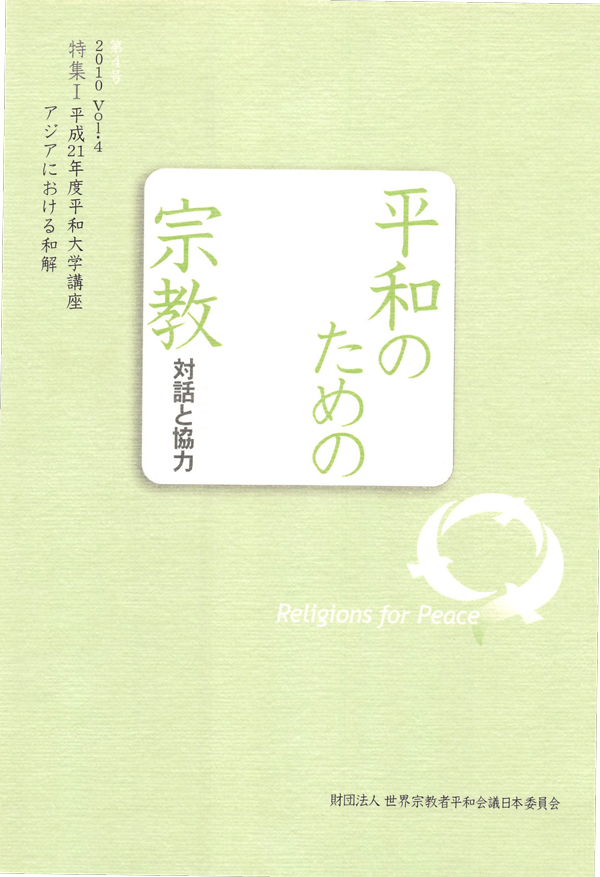
Religions for Peace–Dialogue and Cooperation Vol. 4
eature: 2009 Peace University Symposium (Reconciliation in Asia)
Keynote Address: The War on Terrorism, and Prospects for Obama’s New Strategy by Kenji Isezaka, professor of the graduate school of the Tokyo University of Foreign Studies
Lectures at Peace Research Institute Study Sessions:
・Aiming for a World without Nuclear Weapons: An Account Based on an Experience of Hiroshima by Shuntaro Hida, former director of the Hibakusha Counseling Center of the Japan Confederation of A-and H-Bomb Sufferers Organizations
・A Metatechnological Approach to War and Peace by Junichi Sato
・For Interreligious Dialogue–from the Standpoint of Islam by Toshio Kuroda
・The Possibility of a “Theology of Creation” by Renta Nishihara
・Faith and Critical Thinking that Support Religion’s Social Activities by Juan Masia
・Seven Principles for “Shared Security” by Keizo Yamada
・“Shared Security,” Buddhism, and Restorative Justice by Yoshiaki Sanada
・Problems with Views of Life in the East and West by Minoru Sonoda
・The Past, Present, and Future of Japanese Buddhism. The Meaning of Seeking Peace by Ryumyo Yamazaki
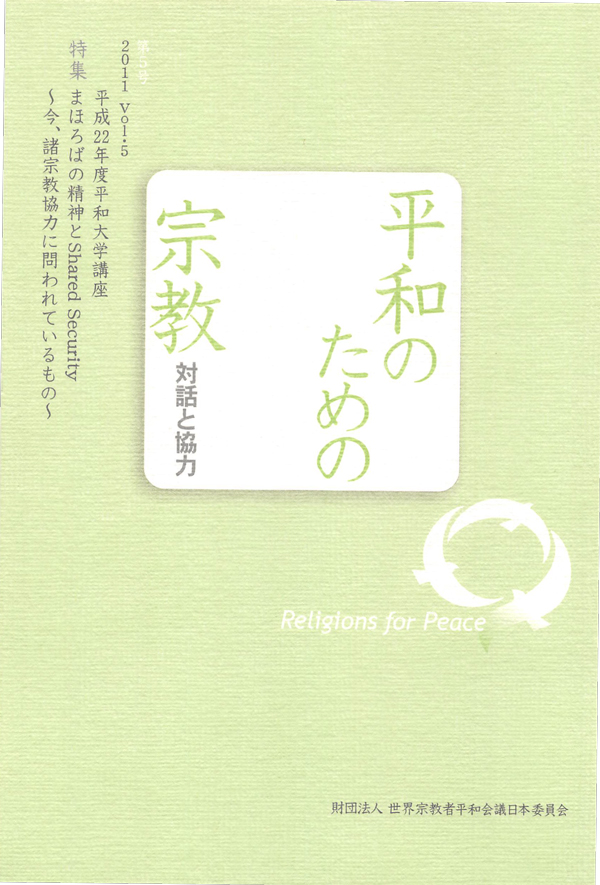
Religions for Peace–Dialogue and Cooperation Vol. 5
Feature: 2010 Peace University Symposium (The Spirit of Mahoroba and Shared Security: The Present Task of Interreligious Cooperation)
Articles:
・The Development of a Community and Its Religious Elements by Toshio Kuroda
・Truth Is One: Foundations for Dialogue by Yasuaki Nara
・Kami and Hotoke: Shared Spirituality and Life in Japanese Culture by Minoru Sonoda
・Contradictions within Religion in the Face of Violence by Juan Masia
・Rev. Nikkyo Niwano’s Practice of Peace through Interreligious Cooperation and the Realm of the One Buddha Vehicle by Yoshiaki Sanada
・The Potential of Shinran’s Pure Land Buddhism: Reviving Concepts of the Liberation of Oneself and Others by Ryumyo Yamazaki
・The Responsibilities and Capabilities of People of Religion for Peace and Reconciliation-based on a Personal Experience Surrounding a Yosegaki Good Luck Flag by Renta Nishihara
・Seeking to Realize Peace in the World by Keizo Yamada
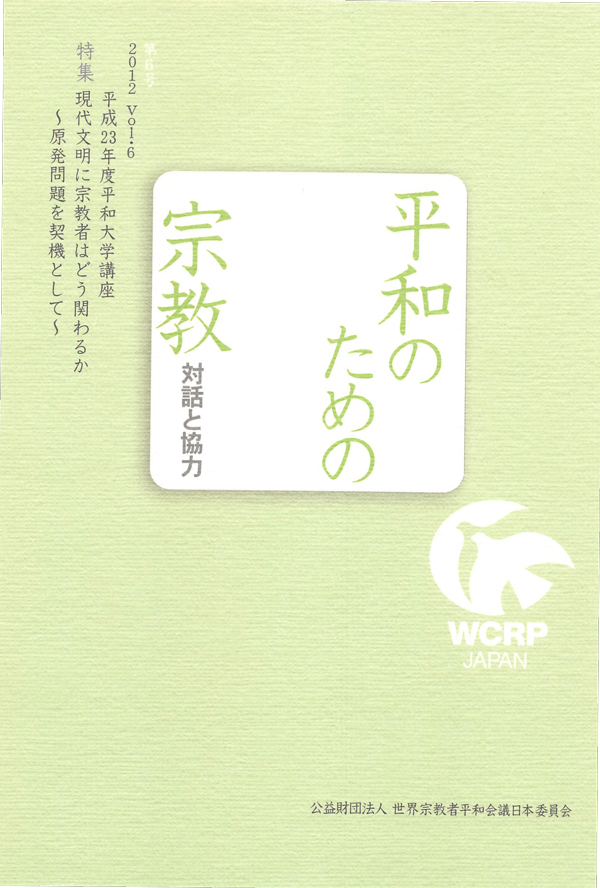
Religions for Peace–Dialogue and Cooperation Vol. 6
Feature: 2011 Peace University Symposium (How People of Religion Cope with Modern Civilization: On the Occasion of the Nuclear Power Plant Accidents in Fukushima)
Keynote Address: Osamu Nishitani, professor at the Graduate School of Global Studies, Tokyo University of Foreign Studies
Articles:
・Peace Making and the Role of Religionists by Yoshiaki Sanada
・Thoughts on Problems Presented by the Nuclear Power Plant Accidents in Fukushima by loviciti Sato
・The Structure of Mappo (the Latter Days in Buddhism) and the Shape of Compassion by Toshio Kuroda
・Methods of Reading Classical Texts of Faith (The New Testament and Buddhist Sutras) that Cultivate Social Engagement by Juan Masia
・Natural Disasters and Shinto Culture by Minoru Sonada
・Global Ecumenical Movements and Christians Efforts in Japan to Create a Society Allowing Foreign Residents to Live in Harmony with the Jepanele by Renta Nishihara
・Thoughts on War and Japan: Facts Surrounding the Kotoku Incident (High Treason Incident) and Buddhists by Ryumyo Yamazaki
・Does “Shared Karma” Hold Good? by Yasuaki Nara
・Seeking to Realize World Peace Starting from Asia by Keizo Yamada
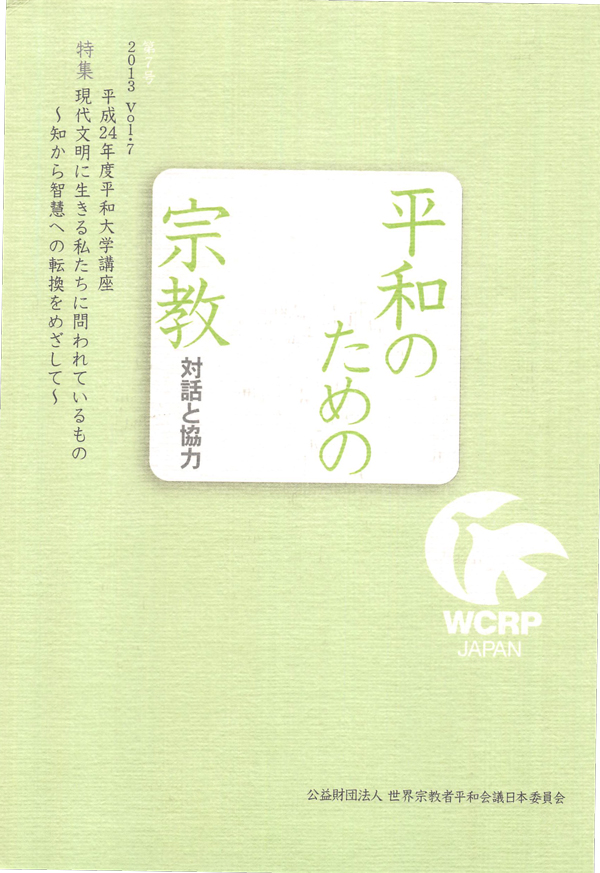
Religions for Peace–Dialogue and Cooperation Vol. 7
Feature: 2012 Peace University Symposium (What Is Asked of Us Who Live in a Modern Civilization: In Search of Conversion from Knowledge to Wisdom)
Keynote Address: What Is Asked of Us Who Live in a Modern Civilization Makoto Tokunaga, professor emeritus at Osaka University
Articles:
・Welcoming the Other: What Does a Buddhist Think of “the Other”? by Yoshiaki Sanada
・What Underlies the Concept of Amida Buddha’s Original Vow: The Practice of Compassion and Benefiting Others Will Bring about Peace by Ryumyo Yamazaki
・The Multilayered Structure of the Community and Compassion by Toshio Kuroda
・The Second Vatican Council and World Peace Based on Liberation Theology by Keizo Yamada
・The Changes in Roman Catholic Church Activities after the Second Vatican Council, and the Spirit of Interreligious Dialogue by J. P. Mukengeshayi Matata
・The Journey of the Anglican Church and Its Agenda of Mission by Renta Nishihara
・Chaos and Cosmos: An Attempt of Shinto Theology by Minoru Sonoda
・Several Viewpoints on Nuclear Power Generation and the Civil Movements That Caught My Eye by Junichi Sato
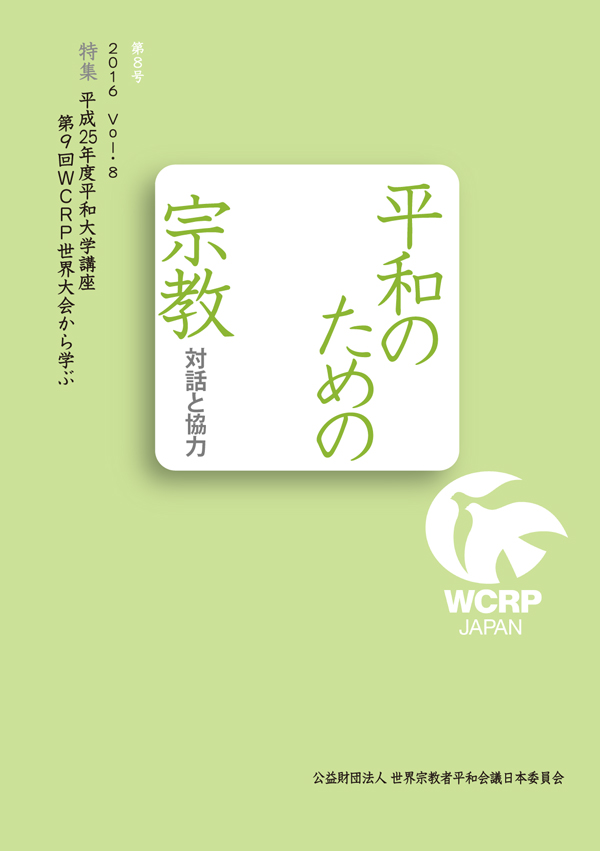
Religions for Peace–Dialogue and Cooperation Vol. 8
Feature: 2014 Peace University Symposium (Learning from the Ninth World Assembly of Religions for Peace)
Keynote Address: Gijun Sugitani, chair of Religions for Peace Japan and a supreme advisor to the Tendai Buddhist Denomination
Articles:
・About Pope Francis by Keizo Yamada
・The Catholic Church Veering between Tradition and Reform-Innovations by Pope Francis Some Fifty Years after the Second Vatican Council by Juan Masia
・Neighbors in a Multicultural Society by J. P. Mukengeshayi Matata
・A Report on the Tenth Assembly of the World Council of Churches by Renta Nishihara
・Contemporary Civilization and Religion by Toshio Kuroda
・Currents of Modern Japanese Buddhism on War and Peace by Ryumyo Yamazaki
・Working on Recovery from the March 11, 2011, Disaster from Shrine-Based Shinto’s Point of View by Minoru Sonoda
・Considering Decontamination of Radioactive Materials in Fukushima in Light of Specific Examples of Civic Activities by Junichi Sato
Religions for Peace–Dialogue and Cooperation Vol. 9
Feature: 2015 Peace University Symposium (In Search of Coexistence with Dissimilarity–Considering the Otherness)
Keynote Address: Nobuo Mori, professor and director, Shariah Research Institute, Takushoku University
Articles:
・Interreligious Cooperation and Peacebuilding Based on the “Joy of the Gospel,” by Keizo Yamada
・Building an East Asian Community of Peace-Interreligious Dialogue and the Mission of Religious Leaders, by Yoshiaki Sanada
・The Keys to Welcoming the Other Are the Ethics of Love and Hope, by Juan Masia
・The History and Challenges of Kyosei Shiso (Thoughts about Harmonious Coexistence)–A Study from the Buddhist Perspective, by Makio Takemura
・Thinking of the Other-Education for Coexistence, by Kathy Matsui
・Civilization and Secularization, by Toshio Kuroda
・To Realize a Nuclear Free World From the Perspective of World Churches, by Renta Nishihara
・Japanese Religious Culture and the Spirits of the War Dead–Focusing on the Perspective of Shinto, by Minoru Sonoda
・The Concept of Praying Equally for the Response of the Souls of Both Friends and Enemies and the Characteristics of “Yasukuni Shrine”, by Ryumvo Yamazaki
・Evaluation and Challenges in Responding to the Fukushima Nuclear Disaster-Consulting Several Important Publications, by Junichi Sato
Religions for Peace–Dialogue and Cooperation Vol. 10
Feature: 2016 Peace University Symposium (Refugee Issues-What is Required of People of Faith?)
Keynote Address: Naoko Obi, vice-representative, United Nations High Commissioner for Refugees (UNHCR) Representative in Japan
Articles:
・“Fluid Space” Theory and its Range Capability by Toshio Kuroda Significance of the Religious Climate’s Implications for “Regional Revival” by Minoru Sonoda
・Traditional Buddhist Orders and Discrimination by Ryumyo Yamazaki
・The Guidelines of Life for Buddhists-Buddhist Precepts by Makio Takemura
・Forgiveness Theory by Kathy Matsui
・Consciousness of Blessings and the Practices of Mercy in the Gospel of Luke by Juan Masia
・On-Site Theology–the Encounter of the Japanese People and Christianity by Renta Nishihara
・Conflict and Missionary Work among the Democratic Republic of the Congo’s IT Generation, by J.P. Mukengeshayi Matata
・Conservation, Protection and Maintenance of the Natural Environment in the Areas Affected by the Great East Japan Earthquake by Junichi Sato
Religions for Peace–Dialogue and Cooperation Vol. 11
Feature: 2017 Peace University Symposium (Dialogue with Violent Extremists–What Can People of Faith Do?)
Keynote Address: Yoshiaki Sanada, professor emeritus, Chuo University
Articles:
・Islamic Regime Theory based on the Sermons of the Fourth Rashidun Caliph Ali by Toshio Kuroda
・Local Ritual Theories Related to “Regional Revival”–“Religious Culture that Connects Mountain, Land, Ocean” by Minoru Sonoda
・Learning from Altruistic Thought of Saicho by Makio Takemura
・Founding Philosophy of WCRP and the Anti-nuclear and Peace Thought of Schweitzer by Akira Kaneko
・Concerning the Peace Activities of People of Faith–Task and Vision by Ryumyo Yamazaki
・Flows of Compassion and Appreciation- “Wheel of Blessing” from the Gospels by Juan Masia
・The First Japanese Anglican Bishop Sakunoshin Motoda’s Theory of the State and View of Korea of by Renta Nishihara
・Present Situation in South Korea and the Anticipated Role for People of Faith–How Today’s World is Moving–by Kiho Yi
・The President’s Interfaith and Community Service Campus Challenge by Katiny Matsui
Religions for Peace–Dialogue and Cooperation Vol. 12
Feature: 2018 Peace University Symposium (What It Means to have Dialogue with Others–Towards Realization of a Peaceful Society–)
Keynote Address: Noriaki Nagao, president, Tenri University
Articles:
・Two Types of Democracy by Toshio Kuroda
・Development and Environment-Roles and Practices of People of Faith by Minoru Sonoda
・In Search of a Path to the Coexistence of Religions by Makio Takemura
・Reconsidering the Jasper’s Theory of War Responsibility–to Build Peace Ethics–by Akira Kaneko
・Recovery of Buddhist Thought and the Sangha–Toward a Community of Independents–by Ryumyo Yamazaki
・The Encounter of Buddhists and Christians Engaged in a Spiritual Conversation against the Backdrop of the Lotus Sutra and the Bible by Juan Masia
・“Healing of Memories”–Learning from Michael Lapsley’s Struggle and His Faith by Renta Nishihara
・Thinking about Dialogue with Others as People of Faith-Posing Some Questions about the Total Acceptance of Others–by Shoten Minegishi
・Role and Importance of Interreligious Dialogue by Kathy Matsui
Religions for Peace–Dialogue and Cooperation Vol. 13
Feature: 2019 Peace University Symposium (Caring for Our Common Future–Thinking about the Roles of of People of Faith–)
Keynote Address: Kosho Niwano, president-designate, Rissho Kosei-kai
Articles:
・The Kegon Study of Daisetsu Suzuki by Makio Takemura
・An Examination of the Foundations of Interreligious Dialogue–The History of the Idea of “Pride” and the Awareness of “Folly” in Buddhism (Japan), by Ryumyo Yamazaki Reconsidering the Conditions and Challenges of Interreligious Dialogue -Based on the 2018 Theme, through the Example of Tenrikyo-, by Akira Kaneko
・Deciphering Life and Death from “Velázquez’s Christ on the Cross”–On the Experience of Faith Conveyed through Aesthetic Expression-, by Juan Masia
・Challenges of Sebastiano D’Ambra–Silsilah Dialogue Movement that Bridged Islam and Christianity in Mindanao-, by Kathy Matsui
・The Possibility of the Coexistence of Islamic Sects and Religions in the Gulf Monarchies -From a Multiculturalist Perspective-, by Nobuo Mori
・SDG Practices and Community Culture–The Search for Modern Glocalism–, by Minoru Sonoda Global Environmental Issues and Inner Peace–Towards a World where No One is Left Behind–,by Mami Yoshikawa
・The Footsteps of a Canadian Missionary in Modern Japanese History–How they built a Church for “Women Workers”–by Renta Nishihara
・The ideal of Article 9 of the Japanese Constitution and the reality surrounding it–From the Perspective of International Law and International Security–by Masamichi Kamiya
Religions for Peace–Dialogue and Cooperation Vol. 14
Articles:
・The Comparability of Shinto with the Islamic Beliefs of Ippei Tanaka, a Japanese Muslim in the Early History of Islam in Japan, by Nobuo Mori
・Learning from Kukai’s View of Human Beings, by Makio Takemura
・“Mercy” and Compassion–A Practitioner of Compassion in the History of Japanese Buddhism, by Ryumo Yamazaki
・Politics and Religion-Applying the Transcend Method, by Kathy Matsui
・The Peace of “Composite Beauty”–Sōetsu Yanagi’s Visions and Practices, by Mari Nakami
・Environmental Issues in the UN SDGs and their solutions, by Tadao Saito
・The Democratic Movement and Religion in Taiwan, by Akira Kaneko
・Questioning the Deep Meaning of Life and the Silence of God–The faith of philosopher and poet Miguel de Unamuno, by Juan Masia
Religions for Peace–Dialogue and Cooperation Vol. 15
Feature: 2021 Peace University Symposium (For the Connected “Life” and its Future–What to Expect from Female Religious Leaders)
Keynote Address: Midori Horiuchi, chief/professor, Oyasato Institute for the Study of Religion of Tenri University
Articles:
・A Perspectival Response to the “Root of Disease” (plague and pestilence) in Japanese Buddhist History by Ryumyo Yamazaki
・The New Coronavirus and the Religious Community’s Response by Akira Kaneko
・The Mission of the World’s Religious Leaders for the Containment of the New Coronavirus by Tadao Saito
・Interpretation of Sharia and a Realistic Response–Islamic Legal Interpretation of the New Coronavirus Infection by Nobuo Mori
・Korean Religions (Buddhism, Catholicism, and Protestantism) in the Coronavirus Pandemic-with a View to Caring for Our Common Future by Seunghee An
・Putting Forth a Definition of Inclusion (Inclusive and Comprehensive) and Achieving an Inclusive Society from Various Perspectives Putting into Practice What Was Spoken at the 10th World Assembly of RfP/WCRP in Lindau by Kathy Matsui
・Peace Building and Social Fraternity–Pope Francis’ Proposal: “All Mankind are Brothers and Sisters” by Juan Masia
・The Buddha’s Teachings on “Controversy” by Makio Takemura
・Social Contribution Activities of the Priesthood in the Taisho Era–The Great Kanto Earthquake and Benevolent Priests by Yorio Fujimoto
Religions for Peace–Dialogue and Cooperation Vol. 16
Feature: 2022 Peace University Symposium (How Religion Aims for a Postpandemic Symbiotic Society)
Keynote Address: Yoshio Iwamura, chairman / pastor, Kobe International Sustaining Organization
Articles:
・Vision of the WCRP and the Agenda to be addressed by the ACRP-Perspectives of the Secretary-General by Nobuhiro Nemoto
・Russia’s Invasion of Ukraine and the Christianity behind It by Renta Nishihara
・Fundamental Buddhist Thought and Peace Theory–On war, the nation, and the Japanese constitution by Ryumyo Yamazaki
・Shigeru Yoshida and His Times-From the postwar days of the innovative bureaucrat known as “Yoshida of Mejiro” by Yorio Fujimoto
・A Half Century of the Tenrikyo Disaster Relief Hinokishin Corps-Wishing for a connection with disaster-stricken areas and peace and tranquility in the world by Akira Kaneko
・Modern Medicine and Islamic Legal Response by Nobuo Mori
・The SDGs and the Religious Nature of Food by Makio Takemura
・Saving the World from Hunger by Reducing Food Loss by Tadao Saito
Religions for Peace–Dialogue and Cooperation Vol. 17
Feature: 2023 Peace University Symposium (Beyond War and Towards Reconciliation-Multi-religion Appeal and Action)
Keynote Address: Kazuko Shiojiri, professor emeritus, University of Tsukuba
Articles:
・Let us Seek Forgiveness, Not Revenge-War and the Rejection of the Death Penalty in Contemporary Christianity by Juan Masia
・Russian Religious Thought Overcoming Conflict and Division–Taking a clue from the Christian philosopher Nikolai Berdyaev by Akira Kaneko
・Religious Action as Educators: Toward Peace in Northeast Asia-Religious Action to Overcome
・Conflict and Division through Nonviolence by Kathy Matsui
・Thoughts on Islamic Ethical and Moral Norms by Nobuo Mori
・On the Problem of Good and Bad in Buddhism-Reflecting on the Ethics of Empathy and Shared Suffering by Makio Takemura
・Sustainable Eating and SDGs for the Future by Tadao Saito
・Meanings of the Words “Shrine”, “Yashiro,” and “Mori” by Yojo Fujimoto
・On the Encounter between Christianity and the Ainu People–Focusing on Batchelor’s Ainu Mission and the Anglican View of the Ainu-Renta Nishihara
Religions for Peace–Dialogue and Cooperation Vol. 18
Feature: 2024 Peace University Symposium (Discussing Education for Humanity in Religions-Fostering Empathy for the Pain of Others)
Keynote Address: Haruko Okano, Former President and Professor Emeritus, Seisen University “Pax Christi: A Message of Nonviolent Peace–How Can It Be Shared With Japanese society?”
Articles:
・WCRP and the Peace Research Institute by Yoshinori Shinohara
・Reexamination of Issues Related to Human Nature and Its Recovery – In Consideration of the 2023 Peace Research Institute’s Theme, “Toward Future Peace in Global Society: Through the Recovery of Human Nature” by Akira Kaneko
・Islamic Food Norms and Halal Certification Status by Nobuo Mori
・The Role of Religions in Dialogue for Peace: The Path to Reconciliation in Germany and Poland by Goro Kimura, Kristof
・Reflections on Post–Liberal Peace Theory: A Critical Examination of Liberal Peace Theory through Religious Peace Theory by Juichiro Tanabe
・An East Asian Spirituality and a Perspective on Peace: From the Thought of D. T. Suzuki by Makio Takemura
・Building a Sustainable Food System to Save the World from Hunger by Tadao Saito
・On Encountering the Other and Understanding the Self–Taking “Unamuno” as a Clue–by Juan Masia
・A Biblical Understanding of “Tenmaku” and “Restoration of Humanity” by Renta Nishihara
・Talking about Education for Human Nature in Religions–Three Roles for Developing Empathy for the Pain of Others by Kathy Matsui
・Mirror and Honesty–Education for Human Nature in Shinto Virtues and Words by Yorio Fujimoto